
Why Go to a Psychiatrist?
Updated: Oct 2
What if I am confronted with an inconvenient truth?
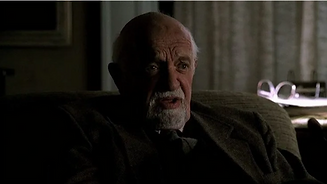

Carmela Soprano consults with Dr. Krakower, Sopranos, episode 33 (April 8, 2001)
Psychiatry is a medical discipline born out of 19th century European neurology. Its initial role was to assist in isolating the causes of mental illness and perhaps to find cures for disorders that have always plagued humanity: mood disorders, thought disorders, and behavior disorders. The devil remains in the details as the great thinkers in academic psychiatry continue engaging in science by committee, codifying the definitions of these disorders as the Diagnostic and Statistical Manual of Mental Disorders, 5th edition.
Many of the disorders in DSM5 remain contentious. This tome allows for the overlap of biological science and social science, often making clear diagnosis murky. When is aggression and bad behavior a bipolar disorder versus a personality disorder with manifest volitional choices? When is the cause and the solution environmental and psychological versus biologically mediated?
Social psychologist Jonathan Haidt notes that the incidences of anxiety and depression in youth more than doubled in the last two decades? This is in spite of fact that there is more access to mental health professionals and prescribed psychiatric medications than ever before? It begs the question of whether we are diagnosing correctly and providing the correct interventions.


Haidt presents a compelling case for much of the increase in anxiety and depression in youth to be caused by the social isolation and constant barrage of unwanted opinions on social media. The advent of the iPhone was the point at which these disorders escalated. We did not evolve to process so much data and noise, often times critical and cutting.
Psychiatric consultation can additionally present an anxious or depressed person with the stress of having a stranger intrude into their vulnerable and private psychological lives. In the crime drama series of the early aughts, Sopranos, Carmela Soprano is the wife of a crime boss, Tony Soprano. She is conflicted by his philandering more than by his extensive criminality, so she consults with psychiatrist Dr. Krakower. He tells her that leaving her sociopath husband is the only way to save herself and her children from the corrosive influence of living with ill-gotten wealth. She ponders the unwelcome advice, convincing herself that her Catholicism does not allow her to divorce, so she continues her merry way of living large and looking other way when her pride is hurt. Everyone makes choices. Carmela chose not to agree with the chosen healer. Sometimes psychiatrists deliver unwelcome interpretations and recommendations. The advice for helping the surge in anxiety and depression in youth is to detox them from social media which is fraught with social contagion.


Comments